The Ultimate Guide to Shearing Machines: Types, Uses, and Benefits
Understanding Shearing Machines: An Overview
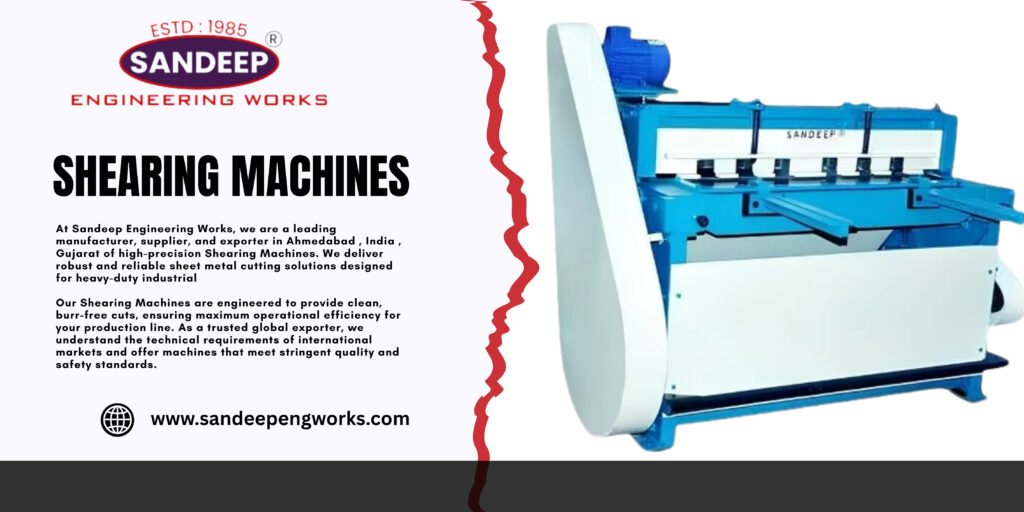
Shearing machines are essential tools in the manufacturing process, designed to cut various materials with precision. These machines operate by applying a shearing force that separates materials, making them ideal for cutting sheet metal, paper, and other substrates.
The functionality of shearing machines varies widely, with designs ranging from simple hand-operated devices to complex, automated systems. Understanding the mechanism and operation of these machines is crucial for industries that rely on accuracy and efficiency.
Types of Shearing Machines and Their Specific Functions
There are several types of shearing machines, each tailored for specific applications. Common types include mechanical shear machines, hydraulic shears, and pneumatic shears. Mechanical shears are often used for lighter materials, while hydraulic shears excel in cutting thicker materials due to their powerful hydraulic systems.
Pneumatic shears, on the other hand, are ideal for high-speed operations and are commonly used in environments requiring rapid production rates. Each machine type offers unique capabilities, making it essential to select the right one based on material thickness and desired precision.
Key Industries Utilizing Shearing Machines
Shearing machines find applications across various industries, including automotive, aerospace, construction, and manufacturing. In the automotive industry, shearing machines are used to cut metal sheets for vehicle frames and body parts, ensuring accuracy and consistency.
Similarly, the aerospace sector utilizes shearing machines for precision cutting of lightweight materials, crucial for aircraft performance. The versatility of shearing machines makes them indispensable in any industry that requires material fabrication.
Benefits of Shearing Machines in Manufacturing Processes
The use of shearing machines in manufacturing processes offers numerous benefits, including increased efficiency, precision, and safety. By automating the cutting process, manufacturers can achieve higher production rates while reducing material waste.
Additionally, modern shearing machines are equipped with advanced technology that enhances precision, allowing for tighter tolerances and better product quality. This not only streamlines the manufacturing process but also reduces the risk of errors and rework.
Future Trends and Innovations in Shearing Technology
The future of shearing technology is poised for significant advancements, driven by innovations in automation and smart manufacturing. Emerging technologies such as artificial intelligence and machine learning are being integrated into shearing machines, allowing for predictive maintenance and enhanced operational efficiency.
Furthermore, the development of eco-friendly materials and processes is likely to influence the design of shearing machines, making them more sustainable. As industries evolve, so will the capabilities of shearing machines, ensuring they remain vital tools in modern manufacturing.