
The Ultimate Guide to Treadle Shearing Machines: Benefits and Features
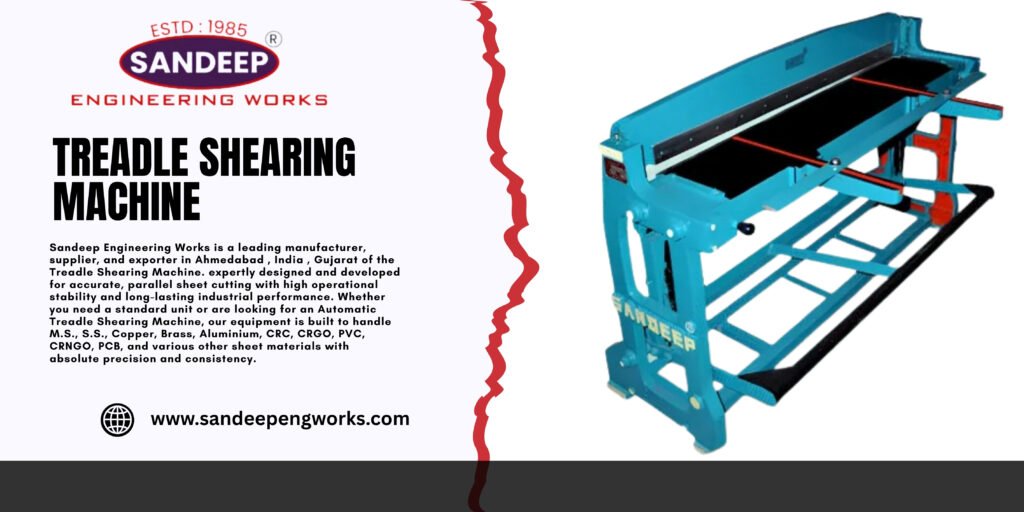
Understanding Treadle Shearing Machines: A Historical Perspective
Treadle shearing machines have a rich history that dates back to the 19th century when they were first developed as a means to improve the efficiency of wool shearing. Unlike hand shears, these machines allowed shearers to work more quickly and with less physical strain. The treadle mechanism, which uses foot power to operate the blades, made it possible for artisans to shear sheep with precision while maintaining their stamina over long periods.
As technology evolved, the design of treadle shearing machines was refined, leading to the development of more ergonomic models that catered to the needs of users. Today, these machines are celebrated not just for their historical significance but also for their continued relevance in a world increasingly focused on sustainable practices and craftsmanship.
Key Benefits of Using Treadle Shearing Machines
One of the primary benefits of treadle shearing machines is their ability to provide shearers with greater control and accuracy. The foot-powered operation allows for a steady rhythm, which can lead to cleaner cuts and less stress on the animal. Moreover, using a treadle machine reduces fatigue, allowing shearers to work longer without compromising on quality.
Additionally, treadle shearing machines are often more cost-effective in the long run. They require no electricity, making them an ideal choice for those working in remote areas or for artisans who prefer a more traditional approach. Their durability and simplicity also mean less maintenance and fewer repairs, which contributes to lower overall operating costs.
Essential Features to Look for in Treadle Shearing Machines
When selecting a treadle shearing machine, it’s crucial to consider several key features. First, the weight and stability of the machine can greatly affect ease of use. A well-balanced machine that remains steady during operation is essential for effective shearing.
Another important feature is the quality of the blades. High-quality, sharp blades made from durable materials will ensure a clean cut and minimize wear over time. Additionally, adjustable tension settings can be beneficial, allowing users to customize the machine’s performance based on the specific wool type and condition.
Comparing Treadle Shearing Machines with Electric Alternatives
While electric shearing machines are popular for their speed and efficiency, treadle shearing machines offer unique advantages that are worth considering. One significant difference is the level of control that treadle machines provide. Users can adjust their speed and pressure, which can be particularly beneficial when working with different breeds of sheep or when precision is critical.
Moreover, treadle machines are generally quieter and more environmentally friendly, as they do not rely on electricity. This aspect makes them appealing to those who value sustainability and wish to minimize their carbon footprint while engaging in traditional crafts.
Maintenance Tips for Optimal Performance of Treadle Shearing Machines
To ensure the longevity and optimal performance of your treadle shearing machine, regular maintenance is essential. Start by cleaning the blades after each use to prevent rust and build-up of wool grease. A simple wipe down with a clean cloth and some oil will keep the blades in top condition.
Additionally, periodically check the treadle mechanism for any signs of wear or misalignment. Lubricating moving parts and tightening loose screws can prevent issues before they arise, ensuring that your machine remains reliable for years to come. Finally, storing the machine in a dry, cool place will help protect it from environmental factors that could lead to deterioration.